
Wood Pallet Wholesaler: Securing FTL Flows and Sawmill Direct Shipments
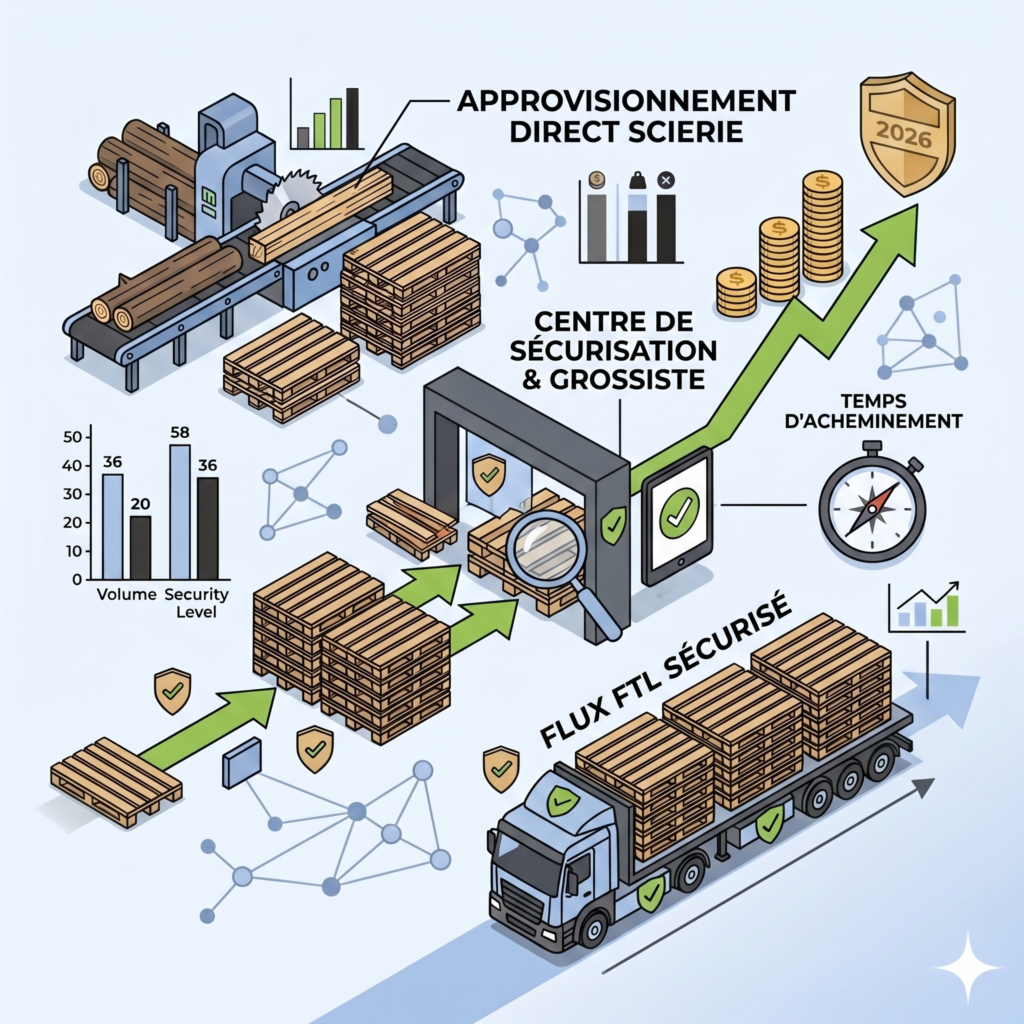
A reliable Wood Pallet Wholesaler plays a critical role in securing consistent pallet supplies as the European logistics market faces significant volatility in 2026. For purchasing managers, pallet supply management can no longer rely on opaque intermediaries. A stockout on the dock means an immediate halt to production lines. The solution lies in securing FTL […]
Opening a Pallet Depot: 2026 Business Model and Profitability
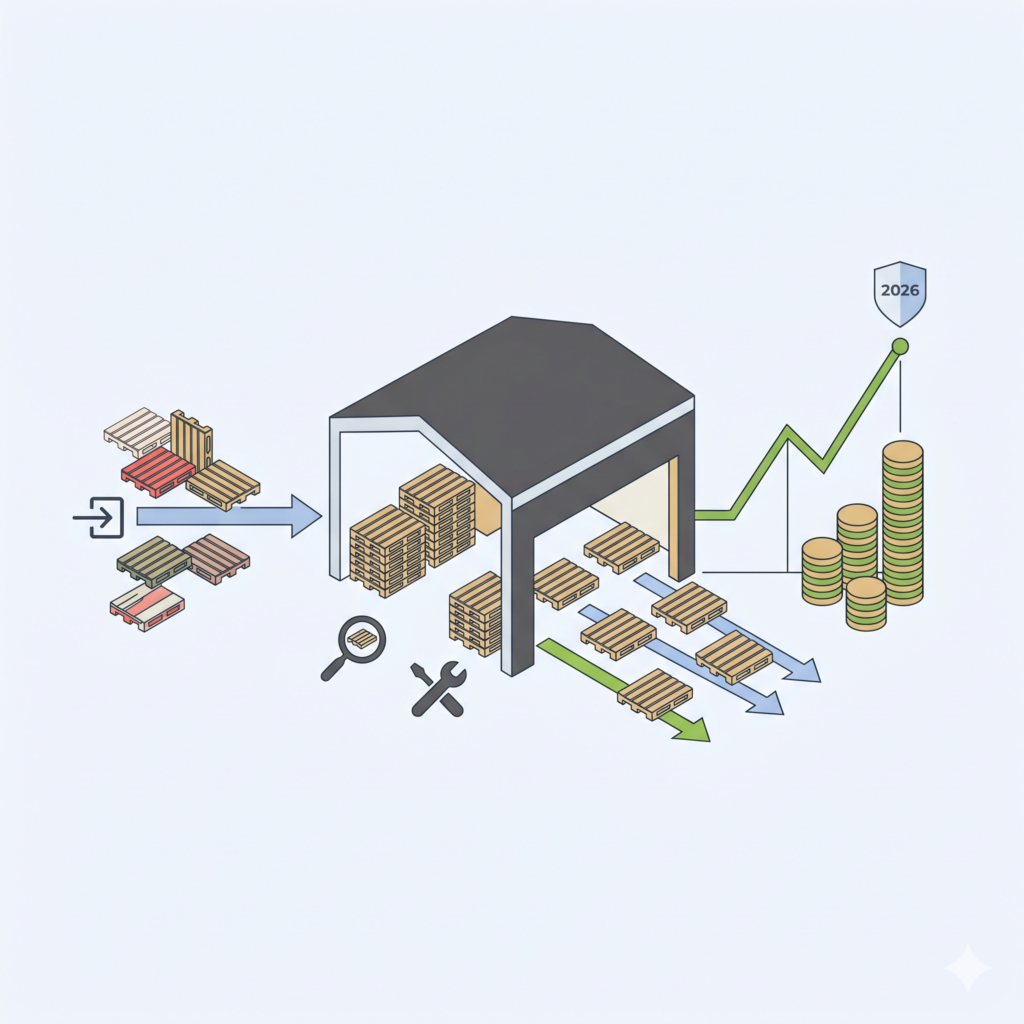
Investing to open a pallet depot is becoming a strategic priority in the face of resource scarcity and new European regulatory constraints. In 2026, price volatility and the requirement for traceability prohibit an isolated, artisanal approach. Flat Cargo provides the decentralized infrastructure necessary to transform a land asset into a profit center via a highly […]
Used Pallet Prices: Grades, Costs and Buying Criteria
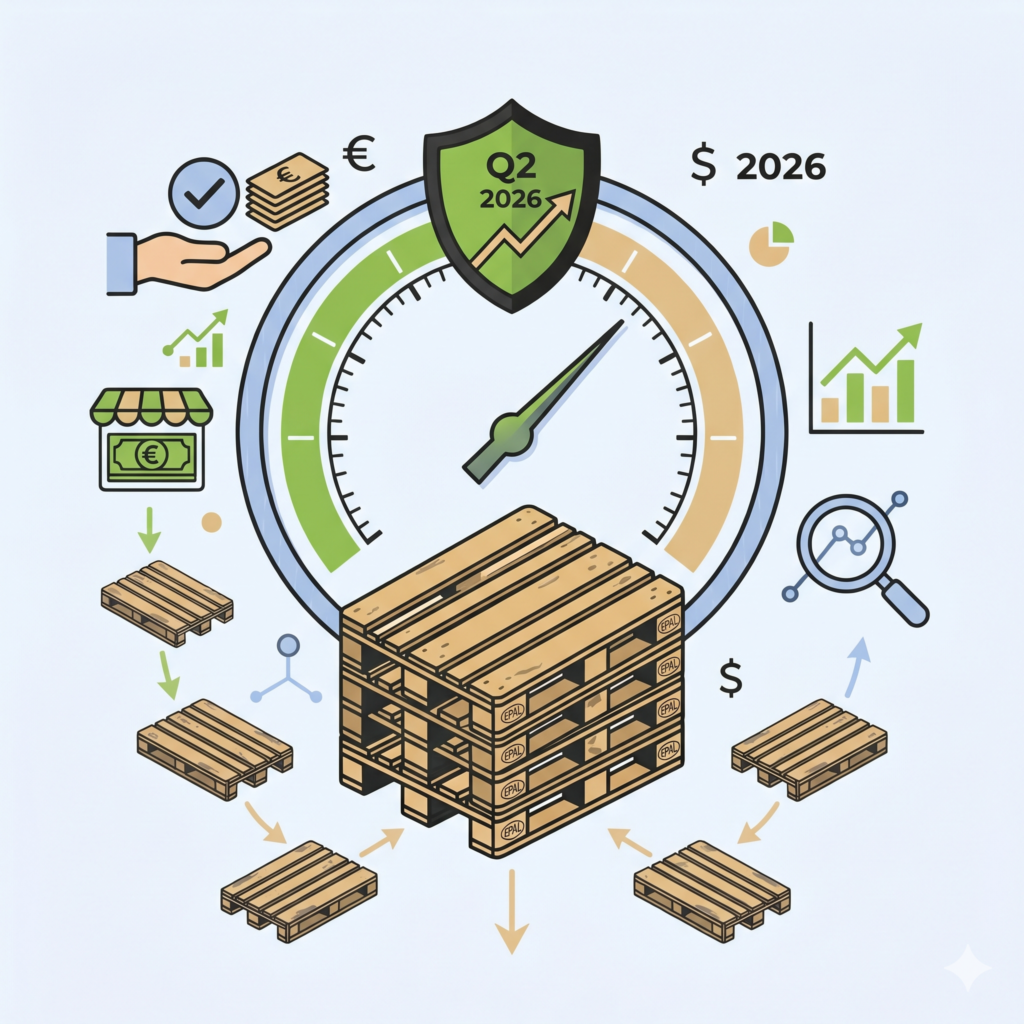
Used pallet prices vary according to pallet dimensions, condition, order quantity, supplier location and delivery requirements. For manufacturers, distributors and logistics operators, purchasing second-hand wooden pallets can reduce initial procurement costs when the selected units meet operational specifications. However, the lowest unit price does not always represent the most economical purchasing decision. Buyers should also […]
Unlock value from your industrial land with Flat Cargo’s wood pallet hub network
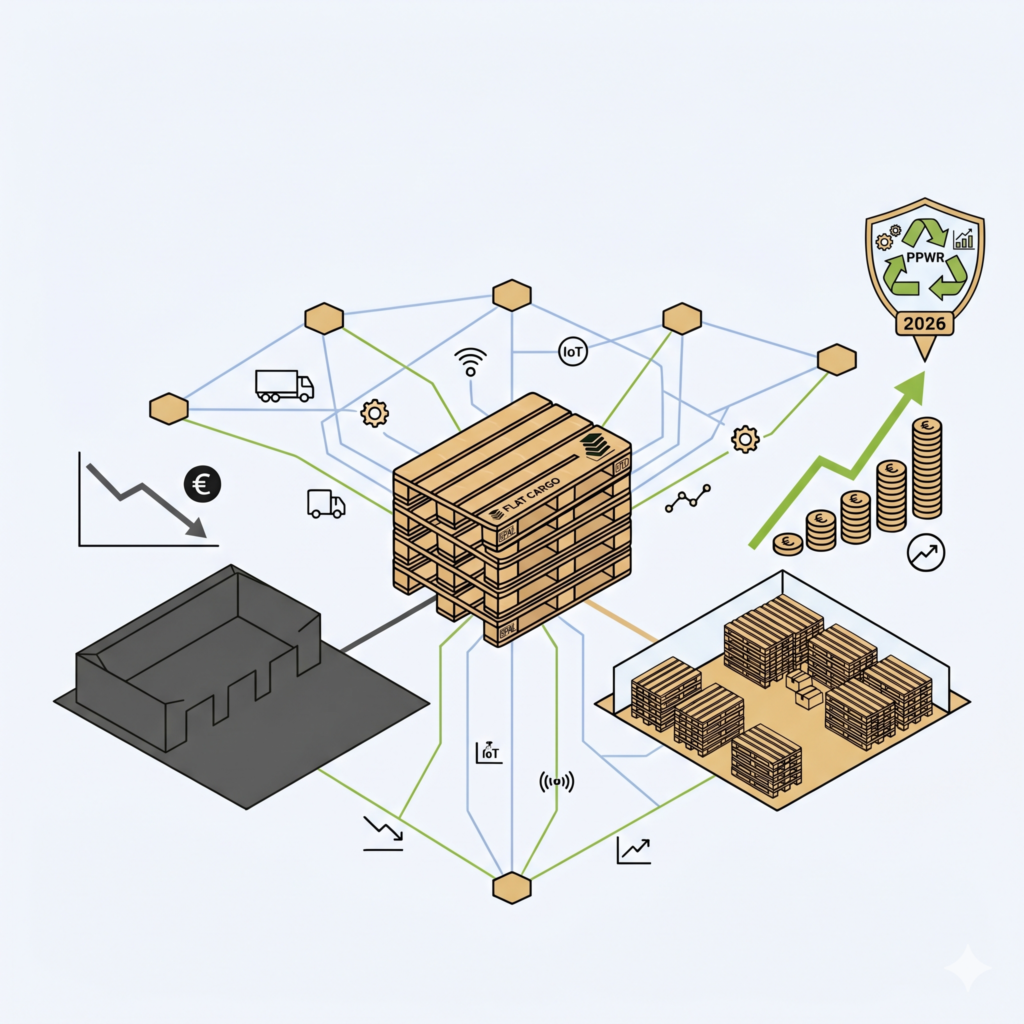
A wood pallet hub network offers industrial real estate owners an opportunity to transform empty or underutilized warehouses into productive logistics assets. For an owner of industrial real estate, unused storage space represents a cost center that weighs on overall profitability. In 2026, the transformation of urban areas and the arrival of LEZs (Low Emission […]
Pallet Reverse Logistics for Smarter Recovery and Returns

Pallet reverse logistics is the process of recovering, inspecting, repairing and redistributing pallets after their initial delivery. For manufacturers, transport operators and distribution centres, an efficient return system can help reduce unnecessary purchases, improve pallet availability and control the cost of reusable load carriers. Without a structured recovery process, empty pallets may accumulate at customer […]
ISPM 15 Pallets: Export Compliance and 2026 Customs Standards
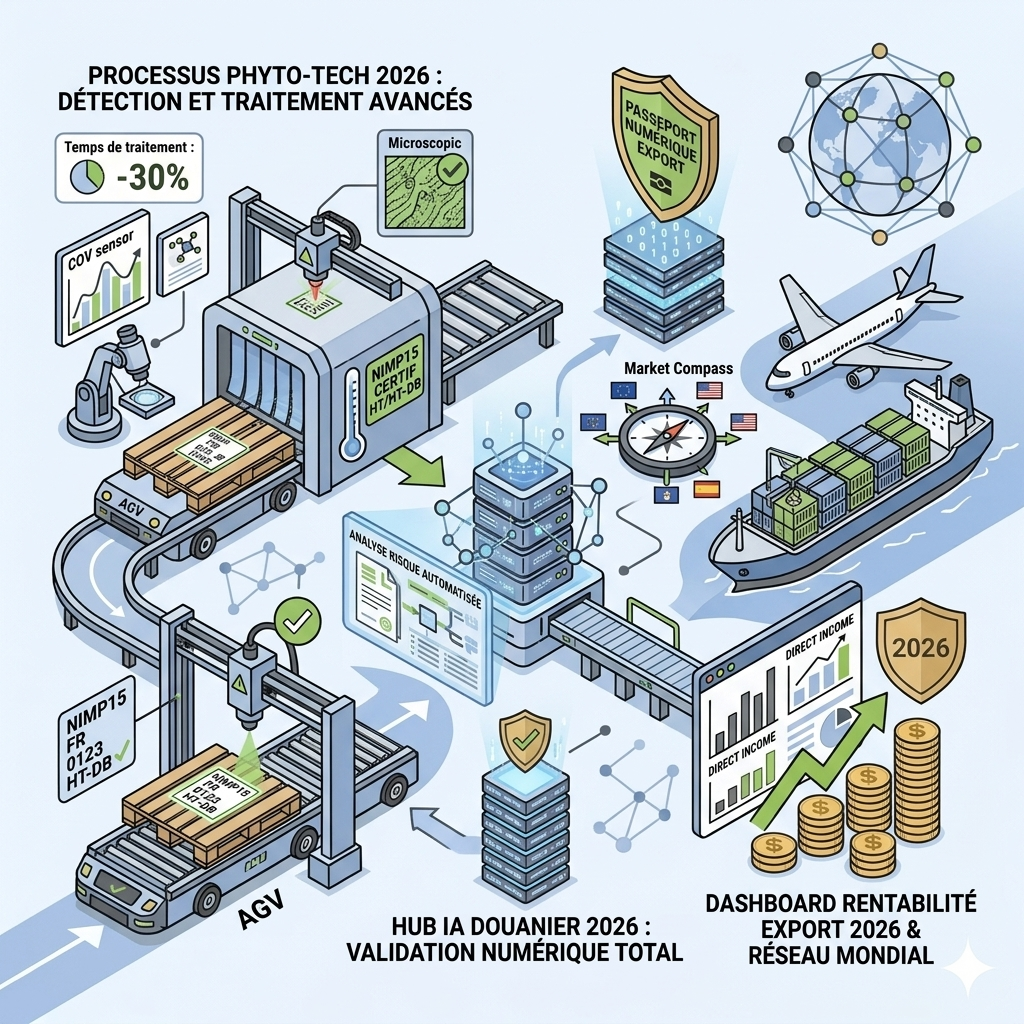
ISPM 15 Pallets play an essential role in securing international shipments by ensuring compliance with phytosanitary requirements for wooden load carriers. Exporting goods outside the European Union demands absolute compliance regarding load carriers. In 2026, non-compliance with phytosanitary standards remains the leading cause of delays in cross-border supply flows. For a Supply Chain Director, using […]
Pallet Fleet Buyback: Rotation Rates and Open-Loop Systems
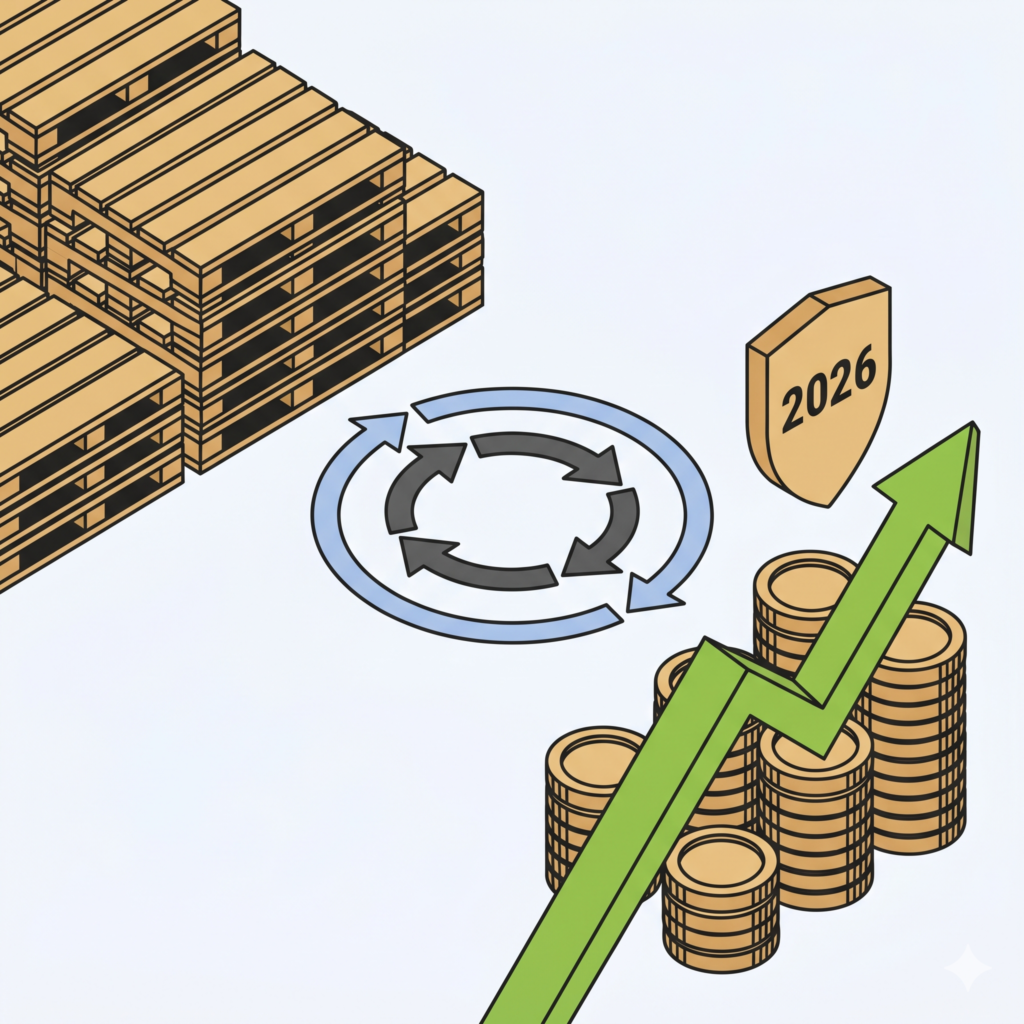
Circul-R Regulatory Supervision ACCOUNTING DATA When managing your pallet fleet, the PPWR regulation mandates strict traceability of your industrial packaging by 2026. For finance departments, traditional management is becoming a toxic liability. Transforming this waste into a financial asset is now a strategic imperative. This shift makes it possible to accelerate the turnover rate and […]
Becoming an Independent Logistics Provider: A Turnkey Business Model
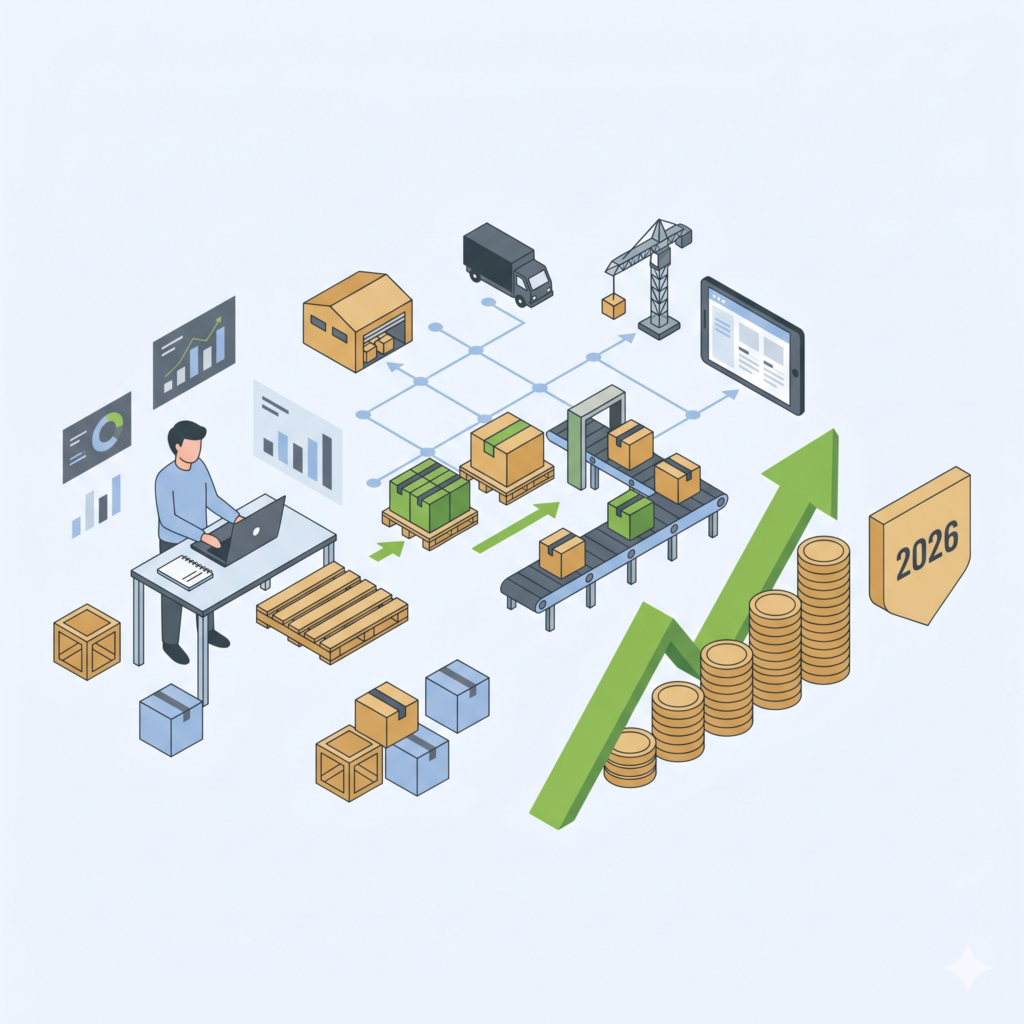
Operational Opportunity INVESTOR PROFILE Independent Logistics Provider businesses face a growing challenge as the industrial logistics sector suffers from a glaring shortage of local operational nodes. You have vacant warehouse space but fear the commercial risk associated with new client acquisition. Launching a traditional transport business requires massive investments, particularly in fleets and fuel, exposing […]
Pallet Fleet Management: The Financial Shift from CAPEX to OPEX in 2026
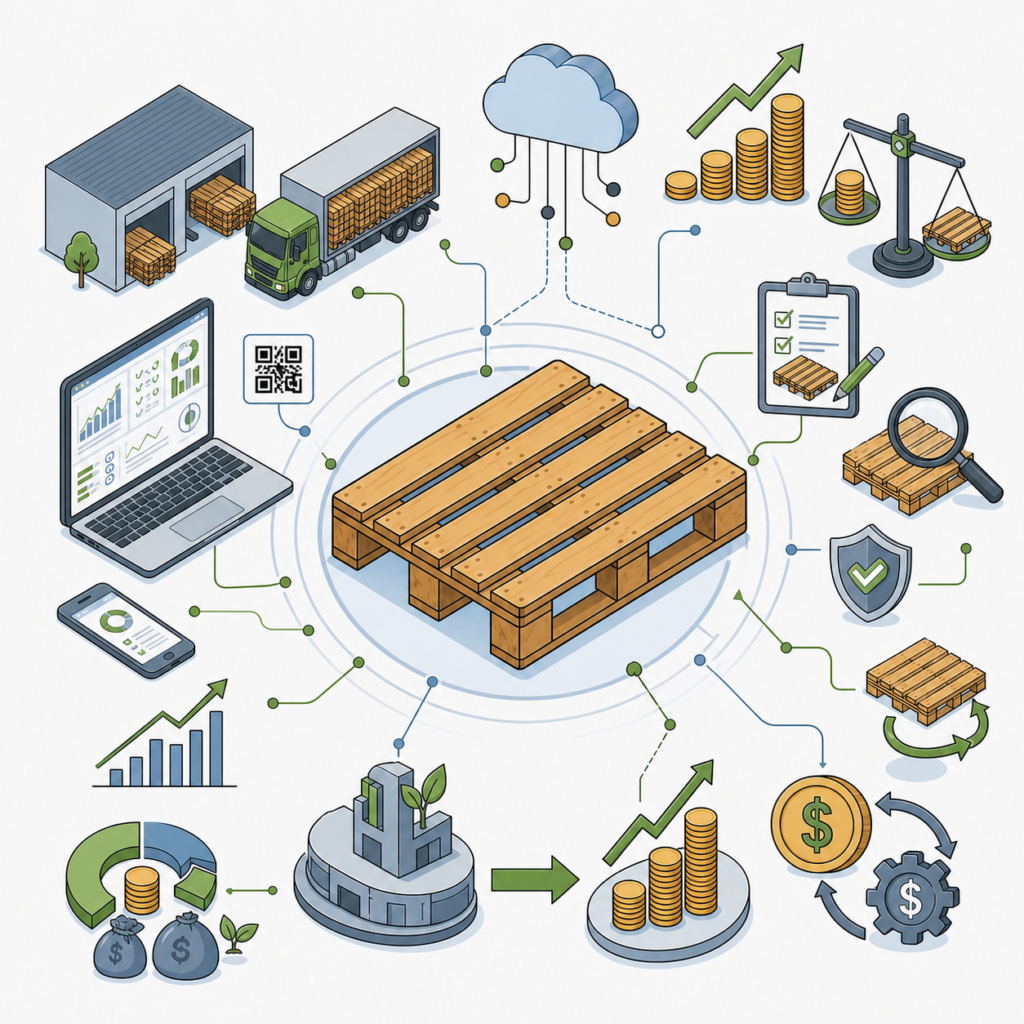
Pallet Management is becoming a strategic priority for European industry, as traditional pallet fleet management remains a passive cost center that is increasingly difficult to sustain. Heading into 2026, the capital locking (CAPEX) tied to buying logistics load carriers runs directly into the regulatory requirements of the PPWR regulation. Facing the risk of a skyrocketing […]
Reverse Logistics: Reducing Scope 3 Emissions and Maximizing Wood Asset Value

The PPWR packaging regulation mandates traceability and reuse by 2030. Currently, losing shipping carriers represents a double drain for manufacturers: a cash flow leakage (OPEX) and a degradation of their carbon footprint (Scope 3). Integrating a reverse logistics infrastructure puts an end to this loss. Thanks to the Circul-R pallet return model, this regulatory constraint […]