
Give Your Damaged Pallets a Second Life in 4 Steps
FlatCargo supports businesses through a structured wooden pallet collection, inspection and repair process . From collecting damaged stock to assessing repairability, each step helps identify opportunities for reuse and more efficient reverse pallet logistics.
Pallet Collection
We assess the collection requirements for used and damaged wooden pallets at industrial sites, warehouses and distribution centres. Where practical, collections can be coordinated with other transport flows to improve logistics efficiency.
Objective: Organise the recovery of damaged pallet stocks.
Inspection and Sorting
Collected pallets are assessed according to their condition and construction. Sorting helps distinguish reusable or repairable pallets from equipment requiring an alternative recovery or treatment route.
Objective: Direct each pallet batch towards an appropriate process.
Pallet Flow Traceability
Tracking the quantities of pallets collected, sorted, repaired and returned to use helps improve visibility across reverse logistics operations. Depending on the service arrangements, these records can support logistics and environmental reporting .
Objective: Improve visibility over pallet return flows.
Wooden Pallet Repair
Pallets considered suitable for repair can undergo appropriate reconditioning work . This may include the replacement of damaged boards, blocks or other structural components. Repair requirements depend on the pallet format and applicable standards.
Objective: Extend the useful life of repairable pallets.Repair and Compliance: Pallet repair feasibility depends on the type, structural condition and intended use of the handling equipment. Repairs involving licensed pallet systems, including EPAL, must meet the relevant technical and authorisation requirements.

Prepare for PPWR Requirements and Track Scope 3 Emissions
Pallet collection, repair and reuse can support a more circular approach to industrial transport packaging.
The EU Packaging and Packaging Waste Regulation (EU) 2025/40, known as the PPWR, establishes requirements for packaging and packaging waste across the European Union. The Regulation has generally applied since 12 August 2026, with additional transport packaging reuse requirements scheduled from 2030, subject to applicable conditions and exemptions.
For manufacturers, distributors and logistics operators, organising wooden pallet collection, repair and reuse can help extend the useful life of suitable pallets and improve visibility over return flows. This information can also support environmental monitoring and the assessment of indirect emissions associated with logistics operations.
Support Pallet Reuse and Circular Logistics
Extend the useful life of repairable pallets and evaluate opportunities to reduce the need for replacement handling equipment.
Improve Reverse Logistics Traceability
Track the quantities of pallets collected, sorted, repaired and returned to use to support logistics monitoring and environmental reporting.
Support Scope 3 Emissions Assessment
Structure relevant data concerning purchased packaging, transport and end-of-life management to support the calculation of indirect emissions using an appropriate accounting methodology.
Regulatory and Carbon Reporting Note: PPWR compliance depends on the obligations applicable to each business and packaging system. Pallet reuse does not automatically demonstrate a reduction in Scope 3 emissions. Any claimed reduction should be supported by reliable data and a suitable emissions accounting methodology.
Official regulatory source: Regulation (EU) 2025/40, EUR-Lex .
Pallet Repair Standards: Requirements for Every Format
Wooden pallet repair requires careful consideration of each pallet's construction, structural condition and intended application. FlatCargo supports industrial and logistics businesses in assessing repair and reuse opportunities for different pallet formats, while considering applicable quality and regulatory requirements.

Euro Pallets EPAL / EUR
EPAL Euro pallets are subject to specific production, marking and repair requirements. Repairs to EPAL pallets must be performed by appropriately licensed operators following the relevant EPAL technical regulations.
Control point: structural condition, pallet markings and licensed repair.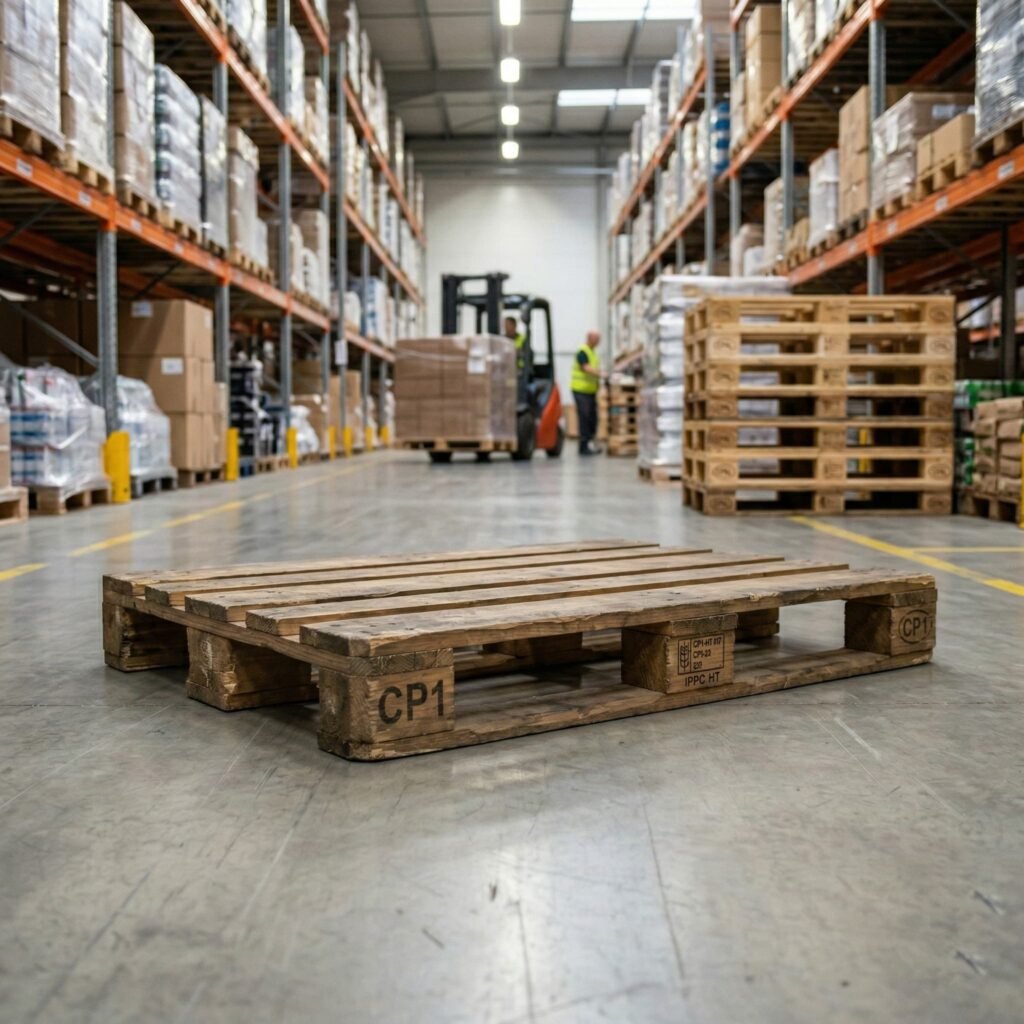
Chemical Pallets CP
CP chemical pallets are wooden handling supports used across chemical and industrial supply chains. Repair feasibility depends on the CP format, dimensions, component condition and load-handling requirements.
Control point: CP format, deck boards, blocks and structural integrity.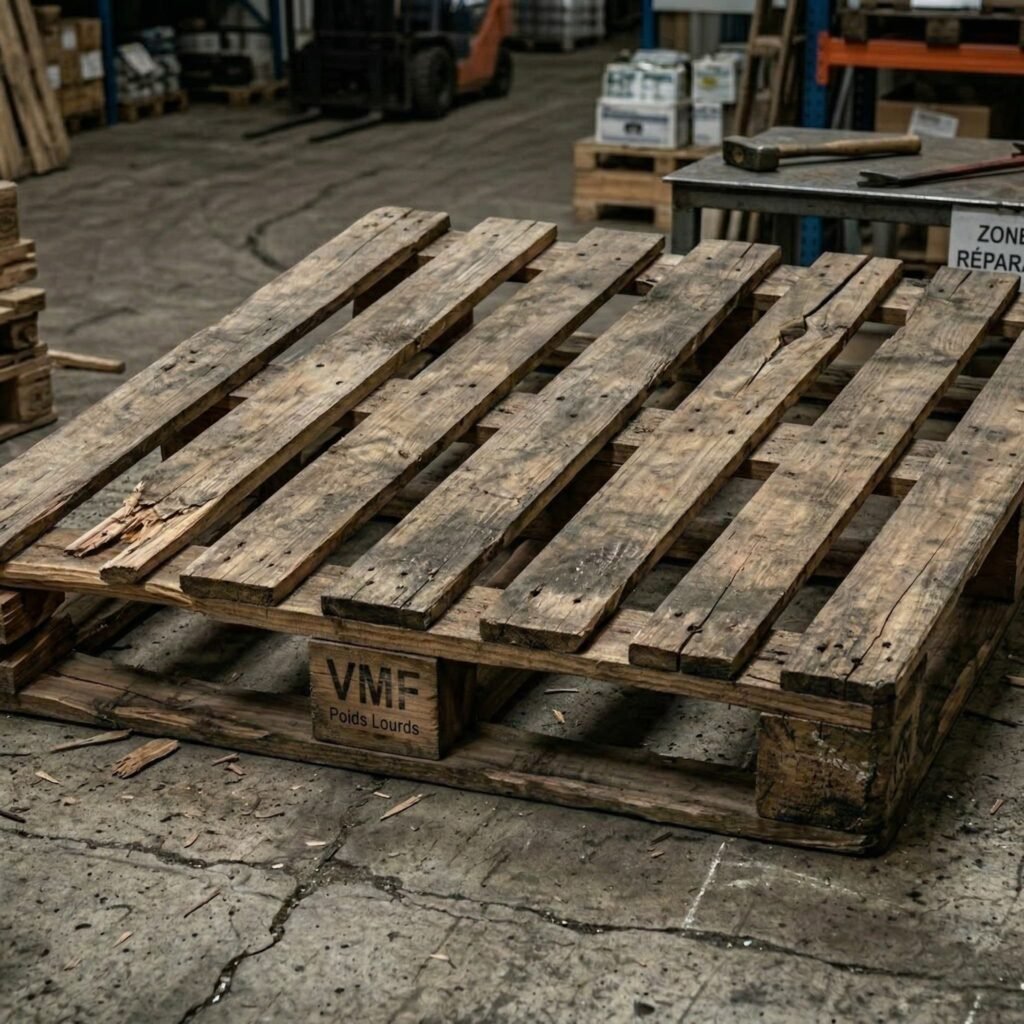
Heavy-Duty Pallets / VMF
Heavy-duty industrial pallets require careful assessment before being returned to operational use. Their suitability for repair depends on structural damage, pallet design and the intended handling and loading conditions.
Control point: structural integrity and operational load requirements.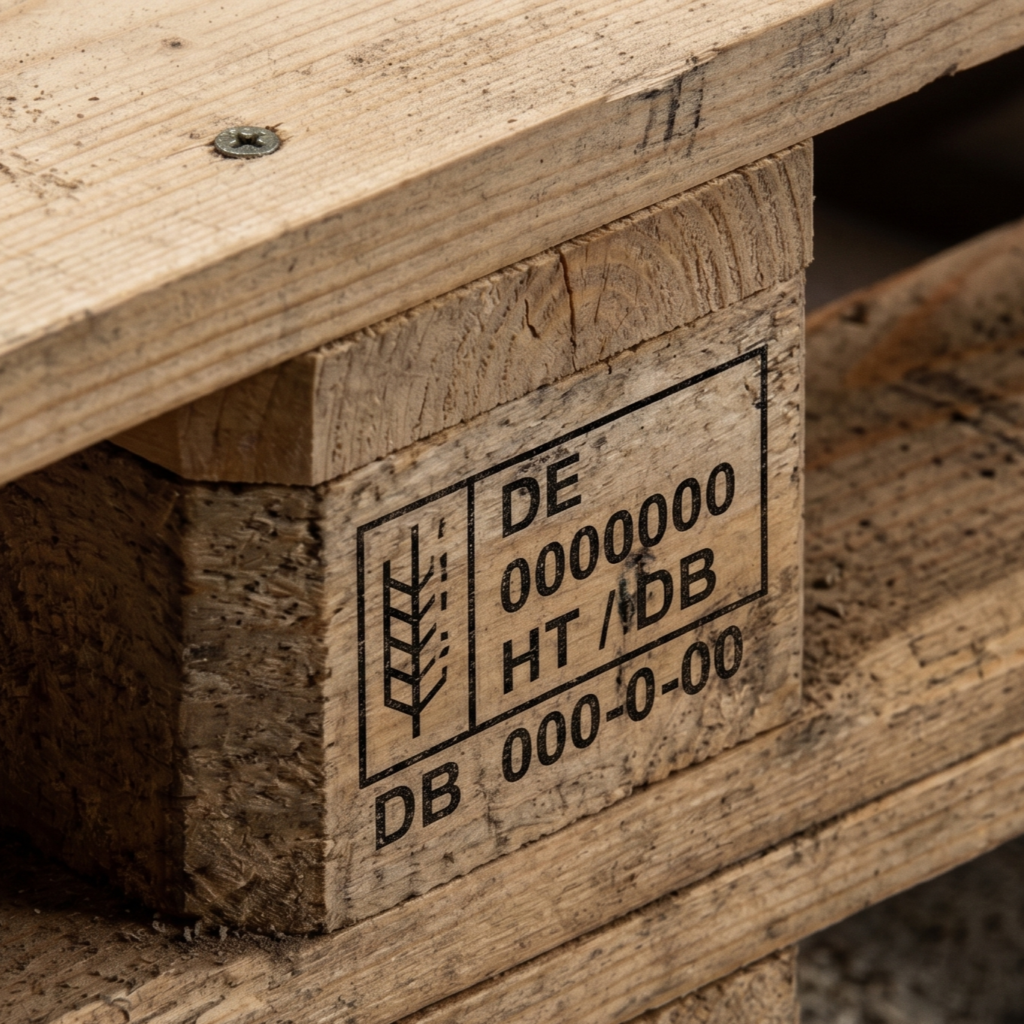
ISPM 15 Requirements
ISPM 15 establishes phytosanitary requirements for certain wood packaging materials used in international trade. After repair, applicable treatment and marking requirements must be checked. Repairs and marking must follow the relevant national authorisation procedures.
Control point: approved treatment, traceability and compliant marking.Repair and Compliance: Repair requirements depend on the pallet type, structural condition and applicable standards. EPAL pallet repairs require a valid licence. ISPM 15 concerns phytosanitary treatment and marking of certain wood packaging materials. It does not certify a pallet's mechanical load-bearing capacity.
Technical references: EPAL Licensing and Repair Requirements and IPPC Guide to ISPM 15 .